Why Animal Diversity Is Essential to the circus Experience
Wiki Article
Discover the Special Animals and Their Duties in Creating Magical Circus Minutes
Circus animals play crucial functions in creating unforgettable efficiencies. Each species brings its own unique skills and characteristics to the ring. From the elegance of elephants to the dexterity of acrobats, the range stands out. Onlookers commonly admire the elaborate regimens crafted with the bond between animals and their instructors. There is even more to this dynamic connection than meets the eye, hinting at the deeper connections built behind the scenes.The Majestic Elephants: Mild Giants of the Circus
The impressive elephants stand as the gentle titans of the circus, enchanting target markets with their remarkable dimension and poise. These amazing creatures are understood for their knowledge and social nature, which enables them to form solid bonds with their trainers. In the limelight, they carry out a range of acts, showcasing their toughness and agility. Whether it's walking gracefully on a tightrope or carrying out detailed developments, elephants astound viewers of any ages. Their existence brings a sense of marvel and fond memories, advising target markets of the wild elegance of nature.Behind the scenes, their treatment is vital. Dedicated instructors ensure that these animals are treated with respect and concern, supplying them with proper nourishment, workout, and psychological stimulation. Their duty in the circus is not practically home entertainment; it acts as a system for educating the public regarding wild animals preservation and the relevance of safeguarding these mild giants in their all-natural habitats.
Agile Acrobats: The Stars of Aerial Performances
Airborne performances bring a different type of magic to the circus, showcasing the remarkable skills of active acrobats. These performers, typically opposing gravity, astound audiences with spectacular routines that incorporate strength, versatility, and creativity. Put on hold high in the air, they perform detailed activities on silks, trapezes, and hoops, creating a mesmerizing phenomenon.The acrobats' training is strenuous, calling for years of technique to grasp their craft. Their ability to flawlessly change between stunts and positions highlights both accuracy and sychronisation. Each performance narrates, attracting viewers right into a globe where gravity appears to vanish.


Lively Sea Lions: The Sea's Entertainers
While charming target markets with their playful shenanigans, sea lions have sculpted out a special location in the circus as the sea's performers (circus). These charismatic aquatic animals show exceptional intelligence and dexterity, engaging viewers with their acrobatic displays. Whether stabilizing spheres on their noses or implementing integrated dives, sea lions showcase a delightful combination of skill and charmIn the ring, their communications with fitness instructors highlight not just their lively nature yet likewise their capacity to respond to commands. Sea lions use their all-natural curiosity to engage with audiences, often sprinkling water happily, including a component of surprise and joy. Their social habits mirror those of human beings, making them relatable and charming to observers.
With their dynamic performances, sea lions add to the wonderful atmosphere of the circus, embodying the spirit of happiness and question that captivates hearts of every ages. circus. Their existence guarantees that every program is an unforgettable experience
Clever Canines: The Gifted Dogs of the Huge Leading

Training Methods for Dogs
Educating methods for pets in the circus showcase a blend of patience, uniformity, and favorable reinforcement. Instructors typically start by establishing a solid bond with the pet dogs, making sure a trusting partnership. Basic commands are educated via rep and benefits, developing a foundation for a lot more complex techniques. Clicker training is often used, permitting canines to link particular actions with favorable results. Progressively, dogs are introduced to efficiency settings, where diversions are taken care of to enhance focus. Socializing is also essential, as pet dogs should fit with both their trainers and the audience. Through these methods, trainers grow gifted canine entertainers prepared to charm audiences with their skills, all while making sure the health and happiness of the animals included.Spectacular Canine Performances
Canine performers in the circus enthrall audiences go to these guys with their outstanding abilities and impressive agility. These smart pooches showcase a selection of abilities, from intricate choreography to daring leaps and bounds. Each performance is a demo of their thorough training and the solid bond they share with their trainers. Canines of different types, such as Border Collies and Poodles, typically take spotlight, demonstrating their knowledge and adaptability. The regimens are created to highlight their natural capabilities, exciting spectators with integrated activities and spirited shenanigans. Whether weaving via barriers or performing precision jumps, these canines develop extraordinary moments that enhance the circus experience. Their appeal and interest resonate with target markets, strengthening their duty as essential stars of the big top.Exotic Birds: Colorful Flyers Including Style
Sweet-sounding phone calls and dynamic plumes specify the presence of unique birds in the circus, captivating target markets with their charm and grace. These bird entertainers, such as macaws, parrots, and cockatoos, astound spectators with their rainbow plumage and excellent airborne screens. Instructors masterfully assist these birds through detailed regimens, showcasing their intelligence and dexterity.The vibrant motions of exotic birds include a distinct flair to circus acts, with their capacity to soar via the air, do tricks, and connect with their atmosphere. Their all-natural charm pulls in customers of all ages, developing memorable minutes that elevate the general circus experience.
Additionally, the dynamic shades of these birds serve not just as a visual phenomenon but likewise symbolize the diversity of life in the world. Each performance highlights the importance of protecting such stunning animals, reminding audiences of the wonders of the pet kingdom.
The Bond In Between People and Circus Animals
The connection between human beings and circus animals is improved a structure of trust and training. This bond commonly transcends plain performance, promoting a deep emotional link that can be observed in their interactions. Comprehending this vibrant highlights the complexities of their shared experiences in the circus atmosphere.Trust fund and Training
While trust is necessary in any kind of partnership, the bond between circus animals and their instructors exhibits an unique collaboration built on common regard and understanding. This relationship is grown with constant training techniques that prioritize positive support, permitting animals to discover and perform complex techniques successfully. Instructors invest significant time and effort in establishing regimens that motivate collaboration, developing a safe setting where animals really feel secure. The training process frequently involves understanding each animal's specific personality and requires, which reinforces the bond additionally. As depend on deepens, animals show amazing loyalty and responsiveness, boosting their performances. This connection not only boosts the circus experience however likewise underscores the relevance of gentle therapy and ethical training techniques worldwide of home entertainment.Psychological Link
Psychological connection functions as an important string that weaves with each other the lives of circus animals and their human trainers. This bond fosters a deep understanding, enabling instructors to expect the requirements and feedbacks of their animal equivalents. Through shared experiences, both trainers and animals develop shared trust, which see here now enhances performance and enhances their communications. The emotional ties manifest in numerous methods, such as the happiness shown by animals during performances and the satisfaction trainers feel in their achievements. These connections are improved compassion and regard, making it possible for the animals to prosper in their roles. Inevitably, the emotional connection in between human beings and circus animals changes the circus experience into an interesting spectacle, highlighting the remarkable partnership between types.Often Asked Concerns
How Do Circus Animals Are Picked for Performances?
Circus animals are picked based upon their natural capabilities, personality, and trainability. Trainers evaluate each animal's skills and compatibility with performance requirements, making sure safety and security and consistency within the circus environment during practice sessions and programs.What Happens to Circus Animals After They Retire?
After retiring, circus animals are typically transferred to sanctuaries or wild animals books, where they can reside in even more all-natural environments. Some may also be embraced by private individuals or organizations concentrated on animal welfare and rehab.Are Circus Animals Treated Fairly in Performances?
Circus animals are often subjected to questionable treatment during performances, with many organizations highlighting concerns over their welfare, training methods, and living problems. Moral treatment varies commonly amongst circuses, resulting in recurring arguments and examination.Exactly How Are Circus Animals Trained for Their Acts?
Circus animals are generally trained using positive support methods, which award desired behaviors with deals with or appreciation. This method cultivates a bond in between the fitness instructor and animal, improving her response performance while prioritizing the pet's health and convenience.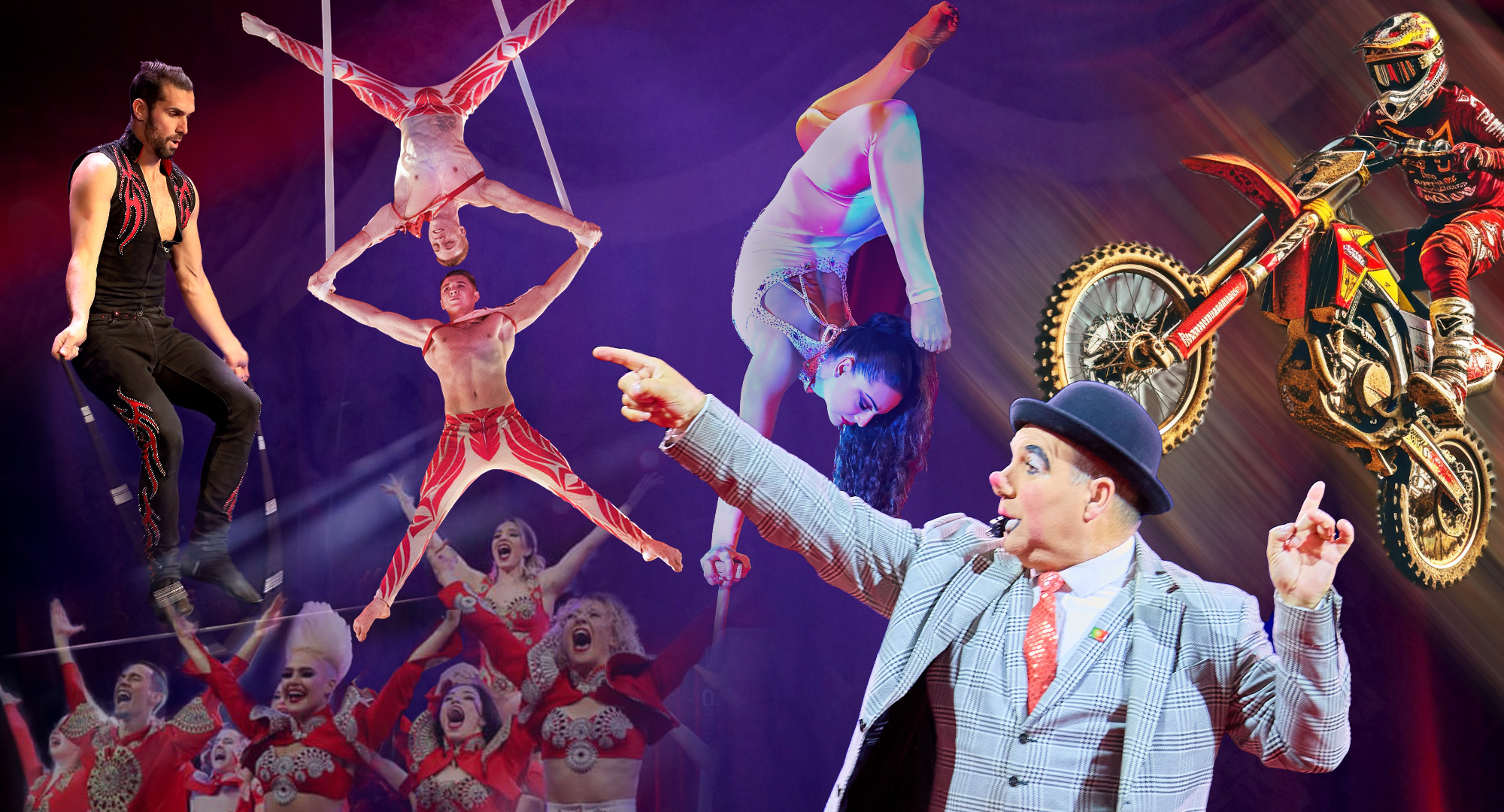
What Are the Most Significant Difficulties in Taking Care Of Circus Animals?
Caring for circus animals presents challenges such as making sure correct nourishment, taking care of wellness and behavioral problems, offering appropriate area for exercise, preserving a trouble-free environment, and sticking to lawful guidelines relating to animal well-being and ethical treatment. circus.Circus animals play important functions in producing memorable performances. While trust is essential in any partnership, the bond in between circus animals and their trainers exhibits a special partnership built on mutual regard and understanding. Emotional connection serves as an essential string that weaves together the lives of circus animals and their human trainers. After retiring, circus animals are often relocated to sanctuaries or wild animals reserves, where they can live in even more natural environments. Circus animals are usually subjected to doubtful treatment throughout efficiencies, with numerous companies highlighting issues over their well-being, training methods, and living conditions.
Report this wiki page